


Understanding Pulmonary Embolism and DVT
We all have heard about the risk of developing a DVT (Deep Vein Thrombosis) or a Pulmonary Embolism particularly on long haul flights, but do you understand or know what they are or where they form?
In this post, we look at answering those questions and how to help lower your risk of developing them. We also look at what some of the symptoms are, so you can get help ASAP
Understanding Pulmonary Embolism and DVT – Brief Description
Deep vein thrombosis occurs when a blood clot forms in the deep veins of the leg and obstruct the flow of blood back to the heart.
Symptoms can present as swelling of the leg and pain in the calf muscle, although sometimes there are no symptoms.
Pulmonary embolism occurs when blood clots leave the veins where they developed.
Travelling through the right side of the heart, and lodging in the branches of the blood vessels going to the lung (pulmonary arteries) causing a blockage.
Symptoms can present as chest pain, difficulty breathing, or coughing up blood. In severe cases, you may just feel faint or collapse and in extreme cases sudden death.
Long flights or multiple flights in a short period can be associated with developing DVT and pulmonary embolism. Any situation in which the leg is bent at the knee for prolonged periods may lead to a reduction of blood flow and increase the risk of blood clots.
Other factors can increase this risk, such as recent surgery, taking oral contraceptives or hormone therapy, pregnancy, cancer, heart problems, and older age. Inherited genetic factors may also play a role.
Prevention
Prevention is better than the cure. So they say and with that in mind let’s set out to get an understanding of some DVT prevention practices we can use.
Adequately fitted graduated compression stockings have proven to be of value. Another consideration is to wear comfortable fitting clothes, tight restrictive clothes can cut off your circulation and increase your risk (not to mention they can get really uncomfortable).
For those at high risks, such as those who have had a previous episode of thrombosis, speak to your dr. about other strategies, you may need to use to help reduce the risk.
Frequently walking in the aisle of the plane increases blood flow and therefore may reduce the risk of clots forming.
Don’t be afraid to ask your neighbours to let you out so you can stretch and walk around.
One of the most straightforward preventive measures (great for lower legs) is to frequently “pump your feet” while sitting in your seat. Alternately lifting the toes and then lifting the heels increases blood flow in the calf veins and reduces the risk of forming blood clots.
Walking or getting up (if possible) and getting your upper legs moving is what you need to do to help reduce the risk of clots forming in your thighs (this is commonplace for clots to form).
9 Inflight Exercises to keep your blood pumping and you feeling good
1. Foot pumps
2. Ankle circles
3. Leg lifts
4. Knee pull-ins
5 Knee hug
6. Neck rolls
7. Shoulder roll
8. Forward bend
9. Go For A Walk
For more information regarding the Inflight Exercises and some ways to prepare for the flight Coming soon
or
Pulmonary Embolism… An unwelcome travel companion
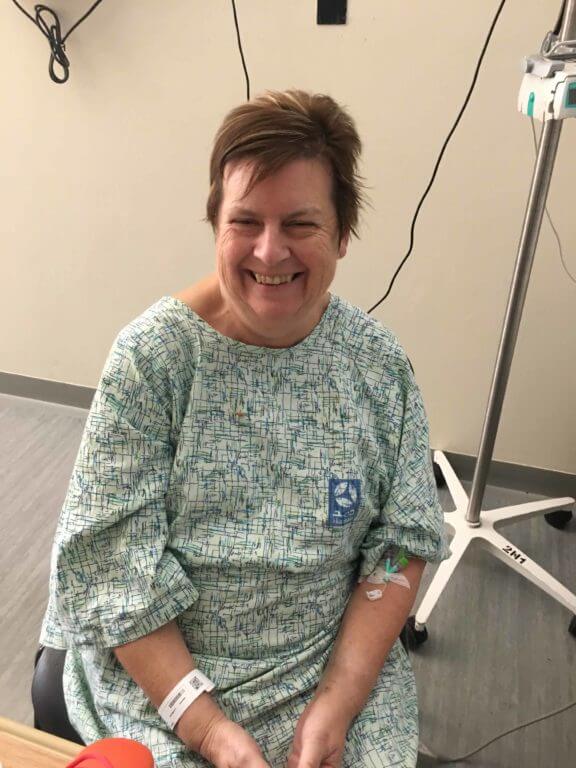
Read about how a Pulmonary Embolism put Daylle in hospital midway to the UK

