

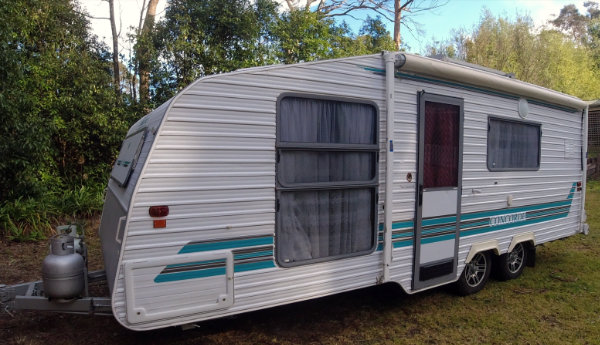
We recently upgraded the solar system in our 2006 Island Star Concorde caravan.
Phil is a qualified auto electrician with more than 40 years of experience and took the time to carefully research and design a system that is affordable, compact, and suited to our needs going forward.
Right now, we’re enjoying shorter trips, but as we move toward retirement, our dream is to travel for longer, spend more time off-grid, and stay comfortable wherever the road leads.
Below is a simple overview of the key components Phil used in our off-grid solar upgrade, along with a few notes that may help if you’re planning something similar.
Victron Components Used in Our Solar Upgrade
Victron SmartShunt 500A Battery Monitor (Bluetooth)
https://amzn.to/4agfclH
Victron MPPT 100/30 Solar Charge Controller
https://amzn.to/4ak1NJv
Victron MPPT 100/50 Solar Charge Controller
https://amzn.to/4qA4NaU
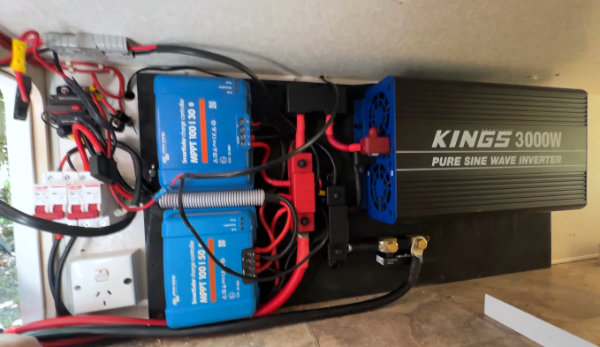
While Victron components manage the monitoring and charging control of the system, the core power storage and solar generation in our setup come from Kings products, creating a practical balance between performance and affordability.
Battery & Solar Components (Kings Setup)
To power the system, Phil chose
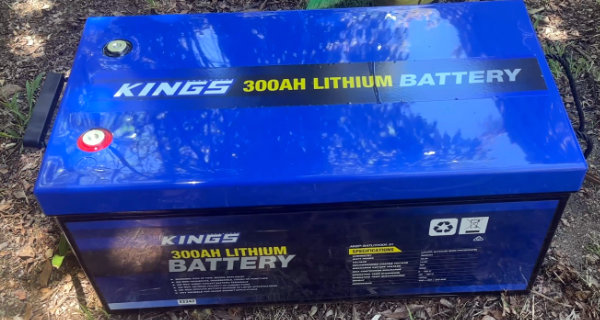
2x 300Ah Kings LiFePO₄ lithium batteries
a Kings 40A DC-DC charger
2x 200 watt Kings roof-mounted solar panels
This combination provides reliable off-grid capacity while remaining a cost-effective setup for our style of travel.
Safety, Distribution & Protection Components
Main battery isolation breaker
Mega fuse / main system fuse
Positive and negative bus bars
12V fuse distribution panel
Solar array isolation/protection breaker
Mounting board / electrical panel
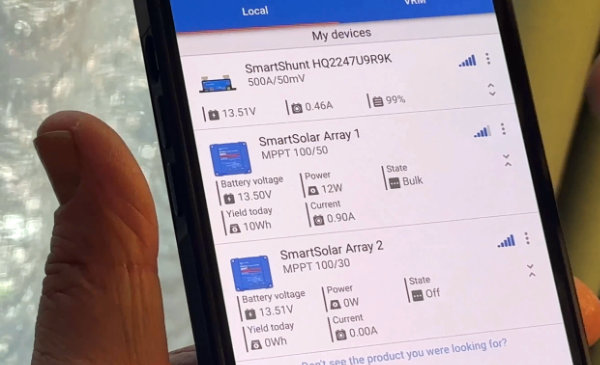
Monitoring via VictronConnect app
A Note About Cabling (Important)
- current load
- cable length
- voltage drop
- safety protection requirements
Upgrading our solar system has given us the confidence to travel further, stay off-grid longer, and move more freely toward the next season of life.
One thing this process has taught us is the value of taking time to carefully research your real needs. How much power you’ll realistically use, how long you hope to stay off-grid, and what level of comfort matters most to you. Our current system is likely larger than we strictly need day-to-day, but it gives us flexibility. On a very hot day, we can run the air conditioner for a short time, keep up with the simple comforts like a daily coffee, and still feel confident about our overall power use.
More importantly, it means that when we do choose to stay somewhere longer or travel further from powered sites, we know we have the capacity to do so safely and comfortably.
As always, we recommend seeking professional advice when designing an electrical system. Phil’s experience helped us build something safe, practical, and ready for the road ahead.
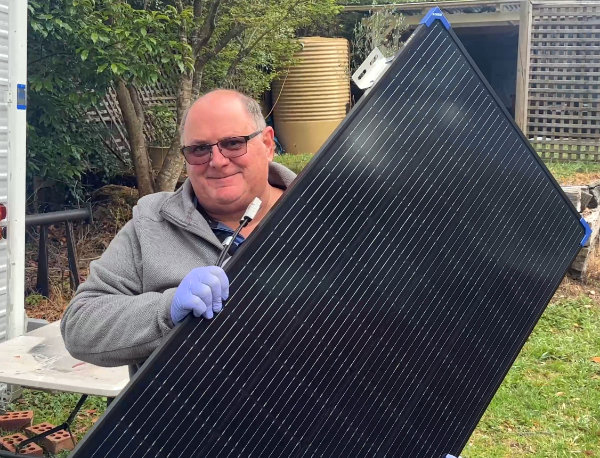
Watch the Full Solar Upgrade
If you’d like to see how this system came together in real life, you can watch our full solar installation overview on Sapphire Blue Travel, where we share the journey, the decisions, and how it all works in the van.
And if you’re new to solar setups or want to better understand some of the technical terms, Phil explains the system step-by-step over on Phil Talks Tech — a great place to start if you’re learning how off-grid power really works.

